Menu Home

How Private Dentists Use Strategic Tooth Repositioning to Correct Speech Impediments Caused by Dental Misalignment
How Private Dentists Use Strategic Tooth Repositioning to Correct Speech Impediments Caused by Dental Misalignment

Understanding the Connection Between Dental Alignment and Speech

The intricate relationship between dental positioning and speech clarity has long fascinated both dental professionals and speech therapists alike. When teeth are misaligned, they can significantly interfere with the tongue’s ability to form certain sounds correctly, leading to persistent speech difficulties that affect confidence and communication. A private dentist in Manchester has developed sophisticated approaches to address these challenges through strategic tooth repositioning, offering patients a pathway to clearer articulation and improved oral function.

The mechanics of speech production rely heavily on precise coordination between the tongue, teeth, lips, and palate. Even minor deviations in tooth placement can create obstacles for proper sound formation, particularly affecting sibilant sounds such as ‘s’, ‘z’, ‘sh’, and ‘th’. When the upper and lower teeth fail to meet correctly, or when gaps and protrusions exist in unexpected places, the airflow necessary for crisp consonant production becomes compromised. Understanding the relationship between malocclusion and speech is essential for addressing these concerns effectively.

Common Dental Misalignments That Affect Speech

Several types of dental misalignment can contribute to speech impediments, each presenting unique challenges for articulation. Overbites occur when the upper front teeth extend significantly beyond the lower teeth, often creating difficulty with sounds that require the teeth to come close together. Conversely, underbites position the lower teeth in front of the upper teeth, which can impede the formation of labial sounds and create a distinctive speech pattern that many find frustrating.

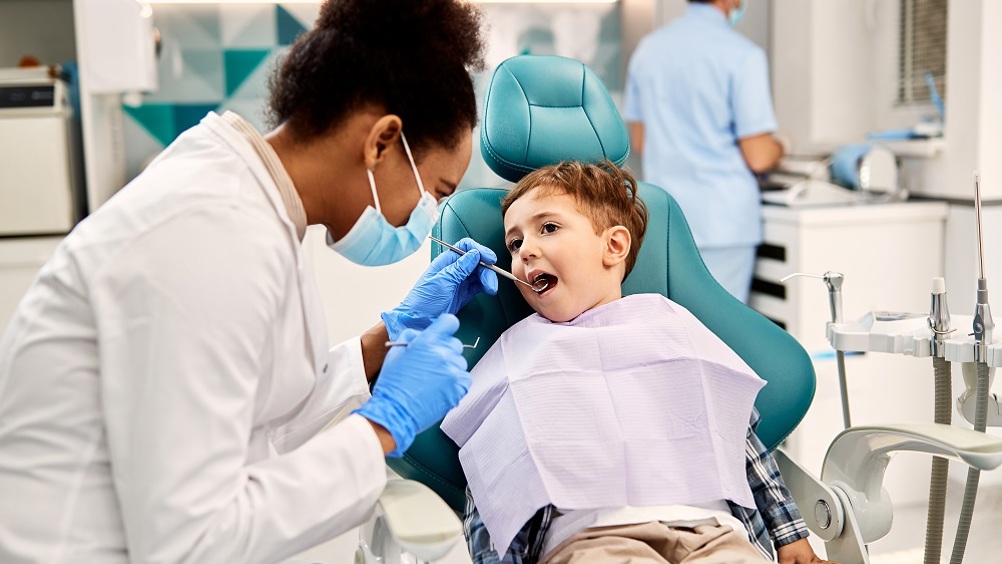
Open bites present another challenge, where the upper and lower teeth fail to meet when the mouth is closed, leaving a visible gap. This particular misalignment frequently causes issues with sibilant sounds and can lead to a lisp that persists into adulthood if left unaddressed. Crossbites, where some upper teeth sit inside the lower teeth rather than outside, can also affect tongue positioning during speech, creating subtle but noticeable articulation difficulties. A private dentist can assess these various conditions and recommend appropriate treatment strategies tailored to individual needs.
How Private Dentists Use Strategic Tooth Repositioning to Correct Speech Impediments Caused by Dental Misalignment

Strategic Approaches to Tooth Repositioning

Modern orthodontic techniques offer a range of solutions for correcting dental misalignment that contributes to speech difficulties. Clear aligners have revolutionised the field by providing a discreet method of gradually shifting teeth into optimal positions. These custom-fitted devices apply gentle, consistent pressure to move teeth incrementally, allowing patients to undergo treatment without the aesthetic concerns associated with traditional metal braces. The precision of digital planning ensures that each movement is calculated to achieve both functional and cosmetic improvements.

Traditional fixed braces remain an effective option for more complex cases of misalignment, particularly when significant repositioning is required. Brackets and wires work in concert to exert controlled forces on teeth, guiding them into positions that facilitate proper speech production. Lingual braces, which are attached to the back surfaces of teeth, offer a compromise between effectiveness and discretion for those who prefer a less visible treatment option.

The Treatment Timeline and Speech Improvement

Patients often wonder about the timeframe for noticing improvements in speech clarity following orthodontic intervention. Whilst the duration of treatment varies depending on the severity of misalignment, many individuals begin to experience positive changes in articulation within the first few months as teeth gradually shift into more favourable positions. Learning more about how orthodontic treatment supports speech development and clarity can help set realistic expectations for the journey ahead.

It is worth noting that some patients may initially experience temporary speech changes as they adapt to orthodontic appliances. This adjustment period typically lasts only a few days to weeks as the tongue learns to navigate around the new dental hardware. Speech therapy may be recommended alongside orthodontic treatment to maximise results, particularly for individuals whose speech patterns have become deeply ingrained over many years. The combination of physical tooth repositioning and targeted speech exercises often yields the most comprehensive improvements.

Achieving Lasting Results Through Professional Care

The transformative potential of strategic tooth repositioning extends far beyond aesthetic enhancement, offering genuine improvements in communication and quality of life. Those seeking to address speech impediments caused by dental misalignment will find that consulting with a private dentist who understands the nuances of this connection can open doors to effective treatment solutions. Through careful assessment, personalised treatment planning, and ongoing support, dental professionals continue to help patients overcome the challenges posed by misaligned teeth, restoring confidence in both smile and speech.
High Quality Dental Backlinks Establishing Practice Credibility Within Search Engine Algorithms

brandon dental care

A professional reputation online depends heavily on trust and relevance. Dental websites must not only inform but also prove authority through reliable sources. Dental professionals refine digital standing by integrating seo for dentists across credible backlink channels. When those links are built ethically, they become quiet yet powerful signals of reliability.

How Are Quality Links Valued In Dentistry?

Search engines consider backlinks like references between professionals. A well-placed dental link communicates reliability and establishes domain-level trustworthiness. When credibility forms naturally through associations, rankings tend to reflect genuine expertise.

Key Qualities Of Valuable Links:

  • Links from verified dental directories
  • Mentions in educational or research-based sites
  • Referrals from clinics with strong reputation
  • Partnerships built through association profiles
  • Guest features on trusted dental portals

Every authentic reference boosts perceived legitimacy. Engines value relevance above quantity, preferring fewer strong connections to hundreds of weak ones. Such balanced linking reflects expertise in a stable, sustainable way that algorithms reward consistently.

Evaluating Contextual Integrity:

affordable dental care near me

Quality backlinks are rarely random; they form through contextually related themes. A general blog post about medicine linking to a dental site adds little trust value. But a professional dental blog citing a specific practice creates meaningful validation. Algorithms learn patterns of intent, so contextual signals serve as proof of credibility rather than just volume.

Why Do Search Engines Trust Dental Backlinks?

Every search engine operates on the principle of relevance through recommendation. When a well-respected domain points to a dental site, it’s like a trusted colleague endorsing professional skill. Authority strengthens gradually, one reputable mention at a time.

Measuring Algorithmic Confidence:

  • Data-backed trust from established dental domains
  • Long-standing association with verified listings
  • Age and consistency of referring links
  • Repetition of anchor words within relevant phrases
  • Secure hosting from compliant dental organizations

Practices gain measurable credibility through structured backlink optimization driven by seo for dentists. Search algorithms evolve constantly, yet their core logic remains tied to patterns of endorsement.

Maintaining Ethical Link Practices:

Unethical link farming or forced backlink exchanges risk long-term trust penalties. Engines can detect unnatural link bursts or reciprocal agreements that lack thematic connection. Dental professionals focusing on quality rather than shortcuts sustain steady ranking growth.

What Strengthens Practice Credibility Online?

For dental clinics, credibility online is earned through both precision and patience. Each connection, article, or citation becomes part of a broader reputation network that defines authority. Establishing a name recognized beyond local boundaries requires careful, ongoing link curation.

Recognizable Sources Of Trust:

  • Professional association endorsements
  • Industry interviews or expert panels
  • Public citations from partner clinics
  • Online mentions in award directories
  • Guest Q&A segments on dental portals

A consistent digital footprint builds collective trust that algorithms interpret as authority. The connection between dental topics and linking sites must stay direct and transparent. Over time, this web of credibility enhances brand recall among searchers and algorithms alike.

Reinforcing Trust Signals:

Reputation also grows through consistent NAP accuracy, citation relevance, and ongoing site audits. Outdated or broken links weaken trust metrics, while verified external mentions strengthen them. Dental practices combining link quality, user engagement, and structured markup align perfectly with algorithmic expectations.

Consistent Visibility Built On Trust

Reputation online doesn’t grow overnight—it’s an outcome of time, accuracy, and ethical effort. Every trusted backlink signals stability within a field where reputation defines ranking. As credibility compounds through sustained recognition, search engines naturally associate the practice with reliability and integrity. When those signals stay consistent, visibility transforms into long-term digital authority.

Why Regular Dental Check-Ups Are Crucial for Your Oral Health

Why Regular Dental Check-Ups Are Crucial for Your Oral Health

Good dental hygiene is more than just daily brushing and flossing. Ensuring long-term oral health and general well-being depends much on regular dental check-ups. Regular trips to the dentist can help you avoid major problems and enhance your life. Regular dental visits can enhance your quality of life and help to prevent major problems; for more insights, visit https://articlegen.com.

1. Early Detection of Dental Problems

In their early stages, dental problems like cavities, gum disease, and oral cancer can grow without obvious signs. Regular dental check-ups help dentists find possible issues before they get serious. Early detection helps to keep better teeth and gums and reduces the need for complicated treatments.

2. Expert Cleaning and Plaque Removal

Plaque and tartar can build in hard-to-reach spots even with careful brushing and flossing. Professional dental cleanings get rid of these deposits, hence avoiding gum inflammation and cavities. Regular cleanings assist to lower foul breath as well, so your mouth feels clean and fresh.

3. Gum disease is prevented by

Untreated gum disease can cause tooth loss as well as other major health problems. Regular check-ups let dentists find the first indications of gum irritation (gingivitis) and treat them before they develop into periodontitis. Early intervention can prevent lasting harm to your teeth and gums.

4. Screening for Oral Cancer

Not caught early, oral cancer can be life-threatening. During regular check-ups, dentists are taught to spot warning indications. Early detection greatly increases the likelihood of effective treatment and recovery.

5. Keeping General Health

General health is intimately related to oral health. Poor dental hygiene has been connected to respiratory problems, diabetes, and heart disease. Maintaining your dental health helps to lower the likelihood of these diseases and enhances your general well-being.

6. Advice on Correct Oral Care

Dentists offer great recommendations on dietary decisions supporting dental health, flossing practices, and correct brushing techniques. Personalized advice can enable you to keep a better mouth between appointments.

7. Long-Term Money Saving

Preventive dental care is much more affordable than having invasive treatments like dental implants or root canals. By spotting problems early, regular check-ups reduce the likelihood of costly and complex treatments.

Regular dental check-ups are not only about maintaining your teeth white and clean; they are also vital for avoiding major tooth diseases and supporting general health. Prioritizing regular trips to the dentist guarantees that your smile remains bright and healthy for many years, and resources like https://articlegen.com can provide helpful tips to maintain optimal dental care. Proactive treatment is the secret to lifelong dental health; don’t wait for pain or obvious problems to schedule a visit.